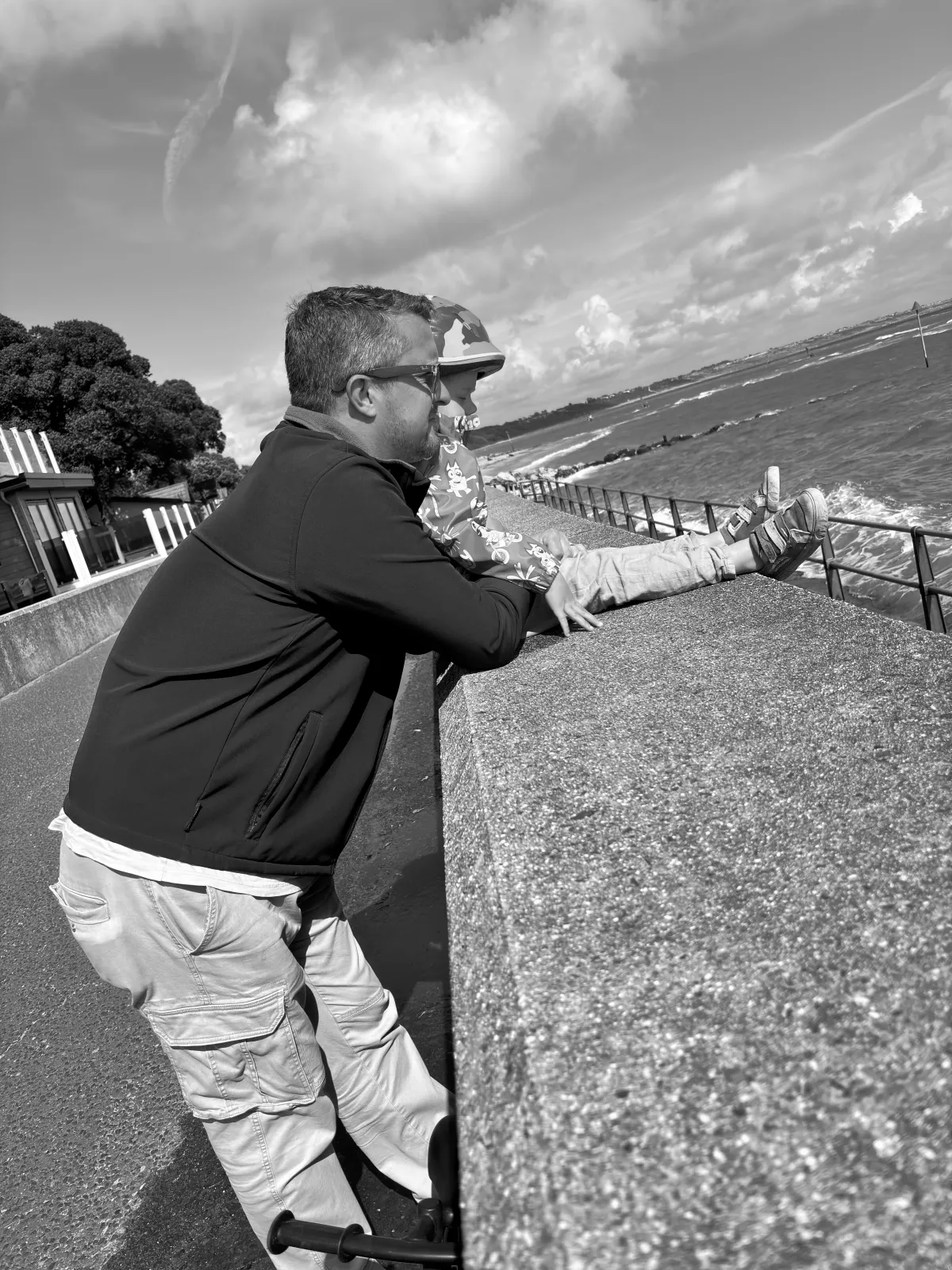
Rediscovering Yourself: Navigating Identity Crisis as a Father
Rediscovering Yourself: Navigating Identity Crisis as a Father
"Are you a father who feels like you're losing touch with who you are amidst the daily grind of responsibilities? You're not alone. Many fathers experience identity crises as they juggle the demands of parenthood, career, and personal growth. Discover how you can reclaim your sense of self and thrive both at home and in your passion."
An identity crisis occurs when an individual questions their sense of self and their role in the world. For fathers, this can be particularly challenging as they navigate the transition into parenthood and the responsibilities that come with it. Balancing work, family, and personal aspirations often leads to feelings of being overwhelmed or disconnected from one's previous identity and from our goals and aspirations prior to becoming a father. This can affect our confidence as fathers, our mental health, and our relationships, making it essential for fathers to explore ways to reconnect with their passions and redefine their sense of self.
The purpose of this post is to provide fathers with a deeper understanding of identity crises, offering support and empathy for those navigating this challenging phase. By shedding light on the common struggles fathers face, we aim to empower them with actionable steps to rediscover their identity, strengthen their sense of self, and ultimately enhance their well-being and relationships. This journey is about embracing change, finding balance, and thriving in both personal and family life.

Let's Start By Understanding What I Mean By Identity Crisis
An identity crisis for fathers like us often occurs when we feel uncertain or confused about our role and identity as a parent. This can happen during significant life changes, such as the birth of a child, changes in family dynamics, or even career shifts that impact their perception of themselves.
Fathers experiencing an identity crisis might question their abilities as a parent, their work-life balance, or how they fit into the traditional or modern expectations of fatherhood. This period of self-reflection can lead to a deeper understanding of their values, priorities, and the kind of father they want to be. It's an opportunity to redefine their identity in a way that aligns with their personal beliefs and the needs of their family.
With this in mind, it can also be a great opportunity to have something for our children to model and help them to also grow up to be inspired by you.
We Will Now Look At Some Triggers of An Identity Crisis
Major Life Changes:
Becoming a Parent:
New Responsibilities: Fatherhood introduces a range of new responsibilities, from providing emotional and physical support to ensuring the well-being and development of the child. This can be overwhelming as fathers adjust to their new roles.
Lifestyle Changes: The arrival of a child often necessitates significant lifestyle adjustments, such as changes in daily routines, sleep patterns, and social activities. Fathers may need to reprioritize their time and resources to accommodate the needs of their growing family.
Emotional Adjustment: The emotional shift to becoming a parent can be profound. Fathers might experience a mix of joy, anxiety, and pressure to fulfill their role effectively, which can lead to an identity crisis as they navigate these new emotions and responsibilities.

Career Changes:
Job Loss: Losing a job can be a significant blow to a father's sense of identity and self-worth, especially if they see their role as a provider as central to their identity. It can lead to stress and anxiety about the future.
Starting a New Career: Transitioning to a new career can be both exciting and challenging. Fathers might struggle with the learning curve and establishing themselves in a new field while balancing family commitments.
Retirement: Retiring can lead to a loss of routine and purpose, prompting fathers to reevaluate their identity beyond their professional roles. It can be a time to explore new interests and redefine their contributions to family and society.
Relationship Changes:
Divorce or Separation: These changes can disrupt family dynamics and lead fathers to question their roles and relationships with their children. It can be a challenging time of adjustment and self-reflection.
Blended Families: Entering into new relationships that involve blending families can create complex dynamics. Fathers may need to navigate relationships with stepchildren and establish their role within a new family structure.
Evolving Family Roles: As children grow and family needs change, fathers might need to adapt their roles, leading to introspection about their identity and contributions to the family.
Societal Expectations:

Traditional Roles:
Breadwinner Expectation: Traditionally, fathers have been expected to be the primary financial providers for their families. This role can create significant pressure, especially if a father's personal circumstances, such as job satisfaction or financial challenges, make this role difficult to fulfil. The pressure to meet this expectation can lead to stress and feelings of inadequacy if it doesn't align with the father's personal beliefs or capabilities.
Protector Role: Alongside being a provider, fathers are often seen as the protectors of their families, responsible for ensuring safety and security. This expectation can be daunting and may not resonate with all fathers, particularly in modern societies where parenting roles are more shared and collaborative.
Cultural and Generational Influences: The pressure to conform to traditional roles can also vary based on cultural and generational factors. Some cultures and older generations may have more rigid expectations, while others may be more flexible and accepting of diverse family dynamics.

Modern Expectations:
Active Parenting: Modern society increasingly values fathers who are actively involved in parenting, sharing responsibilities such as caregiving, attending school events, and participating in daily routines. This expectation can be challenging to balance with career ambitions, especially if workplace cultures are not supportive of flexible working arrangements.
Work-Life Balance: Fathers today often strive for a balance between professional success and family involvement. This balancing act can create tension, as fathers may feel pulled in multiple directions and struggle to meet both sets of expectations.
Redefining Fatherhood: As societal norms evolve, fathers are encouraged to redefine what fatherhood means to them personally. This involves negotiating between traditional expectations and modern roles, which can be empowering but also confusing and uncertain.
Personal Experiences:
Personal Loss:
Reflection and Grief: The death of a loved one often leads to a period of intense grief and reflection. Fathers may find themselves re-evaluating their own lives, priorities, and the legacy they wish to leave behind.
Identity and Purpose: Such a loss can prompt questions about one's identity and purpose, leading fathers to consider how they can honor the memory of the deceased through their actions and relationships.
Family Dynamics: The loss may also shift family dynamics, requiring fathers to take on new roles or responsibilities, which can further influence their sense of identity and place within the family.

Health Issues:
Personal Health Challenges: Facing personal health issues can significantly impact a father's perception of his capabilities and role within the family. It may lead to feelings of vulnerability and a need to reassess how they contribute to family life.
Family Health Challenges: When a family member faces health issues, fathers may need to take on caregiving roles or provide additional emotional support, which can alter their daily routines and priorities.
Resilience and Adaptation: Health challenges often require fathers to adapt and find resilience, prompting a reassessment of what is most important in life and how they can best support their family's well-being.
Midlife Transitions:
Introspection and Evaluation: Approaching middle age often brings about a natural period of introspection. Fathers may evaluate their past achievements and consider whether they have met their personal and professional goals.
Future Planning: This stage can lead to planning for the future, focusing on what they still wish to accomplish and how they want to spend the next phase of their lives.
Identity Shift: As fathers reflect on their lives, they may experience shifts in identity, seeking to align their actions and lifestyle with their core values and desires for personal fulfillment.
Now Looking At Some of The Challenges We Face as Fathers

The Social Expectations of Fathers
Traditional Roles: Historically, fathers have been expected to be the primary breadwinners and protectors of the family. This traditional view can pressure fathers to prioritise work over family time, which might conflict with their desire to be more involved in parenting.
Modern Expectations: While traditional roles still exist, there is also a growing expectation for fathers to be actively involved in day-to-day parenting. This includes participating in activities like school events, caregiving, and household chores. Balancing these modern expectations with traditional roles can be challenging.
Cultural Norms: Different cultures have varying expectations for fathers. In some cultures, fathers are expected to be authoritative figures, while in others, they are encouraged to be nurturing and emotionally available. Navigating these cultural norms can be confusing and stressful.
Media and Social Influence: Media representations of fathers can also influence societal expectations. Portrayals of the "perfect dad" who effortlessly balances work and family life can create unrealistic standards that fathers feel pressured to meet.
Peer Pressure: Fathers might feel pressure from peers or family members to conform to certain roles or behaviours. This can include expectations around career success, financial stability, or parenting styles.
Lets Consider Balancing Roles As A Father

Balancing the various roles of being a provider, a partner, and an individual can be a complex and challenging task for fathers. Here's how these challenges can manifest:
Provider Role:
Financial Responsibility: Fathers often feel the pressure to ensure financial stability for their families. This can lead to long work hours or high-stress careers, which might limit time and energy for family and personal pursuits, especially during the very early stages when trying to create a bond with our children.
Career vs. Family Time: The need to provide can sometimes conflict with the desire to spend quality time with family, leading to feelings of guilt or inadequacy.
Partner Role:
Relationship Maintenance: Being a supportive and attentive partner requires time and emotional energy. Balancing this with work and parenting responsibilities can be challenging.
Communication: Maintaining open and effective communication with a partner is crucial, yet it can be difficult to prioritise amidst other responsibilities. Once communication breaks down, this is when relationships break down, so it is vital that this keeps open.
Individual Role:
Personal Identity: Fathers may struggle to maintain their sense of self outside of their roles as provider and partner. Pursuing personal interests and hobbies is important for mental well-being but can often be neglected. This is something certainly struggled with during the early stages of fatherhood, due to the overwhelming responsibility that comes with it and generally finding my feet.
Self-Care: Taking time for self-care and personal growth is essential but can feel like a lower priority compared to family and work obligations. This is certainly is something we seem to forget with all the new found responsibilities, I found going to the gym, meal prepping, working out every day seems but a distant memory of who I once was, but I knew that if I didn't not make self care a priority, eventually it will have much more of a negative impact on the way I was a provider.
Balancing these roles requires conscious effort and prioritisation. Fathers need to set boundaries, communicate openly with their partners, and carve out time for personal interests to maintain a healthy and fulfilling life. It's about finding a harmony that works for their unique family dynamics and personal values.
The Impact of Identity Crisis on Fatherhood

Family Dynamics
Strained Relationships with Children:
Communication Breakdown: Fathers experiencing an identity crisis may struggle to communicate effectively with their children. This can lead to misunderstandings and a lack of emotional connection.
Inconsistency in Parenting: An identity crisis can cause fathers to be inconsistent in their parenting style, which may confuse children and lead to behavioral issues.
Impact on Partner Relationships:
Emotional Distance: Fathers may become emotionally distant or withdrawn as they grapple with their identity, affecting intimacy and connection with their partners.
Increased Conflict: The stress and confusion of an identity crisis can lead to increased tension and conflict in the relationship, as partners may not fully understand the changes occurring.
Role Model Challenges:
Fathers might struggle to be effective role models if they are uncertain about their own identity, which can influence their children's development and self-esteem.
Personal Well-being
Mental Health Challenges:
Anxiety and Depression: The uncertainty and self-doubt associated with an identity crisis can lead to anxiety and depression, affecting a father's overall mental health.
Stress and Burnout: Trying to balance personal identity struggles with family responsibilities can lead to heightened stress and potential burnout.
Emotional Toll:
Loss of Self-Esteem: Fathers may experience a decline in self-esteem as they question their role and purpose, impacting their confidence in both personal and professional settings.
Identity Confusion: The crisis can lead to confusion about personal values and goals, making it difficult for fathers to make decisions and set a clear path forward.
Physical Health Implications:
The emotional and mental strain of an identity crisis can also manifest physically, leading to issues such as fatigue, sleep disturbances, and other stress-related health problems.
Addressing an identity crisis involves self-reflection, open communication with family members, and potentially seeking professional support to navigate these challenges effectively. This can lead to healthier family dynamics and improved personal well-being.

Reclaiming your identity, especially as a father, is a powerful journey that can lead to personal growth and fulfilment.
Here's a detailed look at each step:
Self-Reflection
Purpose: Self-reflection is about taking a step back to evaluate your current life, emotions, and desires. It's crucial for understanding who you are and what you want from life.
How to Practice: Set aside quiet time regularly to think about your life experiences, achievements, and areas where you feel unfulfilled. Journaling can be a helpful tool to articulate your thoughts and track your progress over time.

Set Personal Goals
Purpose: Goals help to provide direction and motivation. Setting personal goals ensures that you are working towards something meaningful that aligns with your core values.
How to Practice: Start by identifying what truly matters to you. Break down larger aspirations into smaller, manageable tasks. For example, if you want to improve your health, begin with a daily walk or a weekly exercise routine. Celebrate small victories to maintain motivation.
Seek Support
Purpose: Having a support system is vital for encouragement and advice. It can provide different perspectives and help you navigate challenges.
How to Practice: Reach out to friends and family who understand your journey or consider joining a support group. Professional counselors can also offer guidance and support tailored to your needs.
Embrace Change
Purpose: Change is an inevitable part of life and can lead to new opportunities and personal growth.
How to Practice: Adopt a mindset that views change as a chance to learn and grow. Be open to trying new things, whether it's a hobby, career change, or lifestyle adjustment. Reflect on past changes that have led to positive outcomes to reinforce this mindset.
By following these steps, fathers can work towards reclaiming their identity, leading to a more fulfilled and balanced life. Remember, it's a journey and every step forward is progress.

Building a supportive community is essential for fathers seeking to connect, share experiences, and grow together.
Here's how you can go about it:
Finding Support Groups
Purpose: Support groups offer a safe space for fathers to share experiences, seek advice, and find camaraderie.
How to Find Them:
Local Community Centres: Check with local community centres or family services for father-specific support groups.
Online Platforms: Websites like Meetup.com or Facebook Groups often host communities for fathers. You can search for groups that align with your interests or challenges.
Sharing Experiences
Purpose: Sharing personal stories can help reduce stigma, foster understanding, and provide support to others who might be facing similar challenges.
How to Practice:
Join Forums: Participate in online forums or social media groups where you can share your journey and learn from others.
Create Content: Consider starting a blog or podcast to share your experiences and insights.
Engage in Conversations: Attend meet ups or webinars where you can engage in open discussions with other fathers.
By actively participating in support groups and sharing your experiences, you can build a strong, supportive community that not only benefits you but also helps others in their journey.
Conclusion
Fatherhood is an incredible journey, filled with moments of joy, challenge, and growth. As fathers, it's essential to remember that rediscovering yourself is not only possible but incredibly rewarding. Embrace the journey of self-discovery with an open heart and mind. Each step you take towards understanding and nurturing your own passions and interests enriches not only your life but also the lives of those around you. Remember, it's never too late to pursue your dreams, learn something new, or make a positive impact in the world. You have the strength, wisdom, and resilience to shape your path and inspire others along the way.
We'd love to hear from you! Share your experiences, challenges, or triumphs on your journey of self-discovery as a father. Your story could be the encouragement someone else needs. If you're seeking support or simply want to connect with others on a similar path, reach out. Together, we can build a community that uplifts and empowers each other. Your voice matters, and your journey is important. Let's inspire one another!
Call to Action for Coaching for Fathers
If you're a father looking to reconnect with your passions and redefine your journey, consider joining our dedicated coaching program designed specifically for fathers. Our program offers personalized guidance and support to help you rediscover yourself, balance family and personal growth, and achieve your dreams.
